Across the Nordic region, refill and reuse are being explored through a growing number of packaging initiatives that move beyond material innovation alone. Organisations are testing new ways to keep packaging in use for longer while reducing reliance on single-use formats.
Several recent innovations featured in ThePackHub’s Innovation Zone highlight a common theme: successful circular packaging often depends on the wider system surrounding the pack. Packaging design, consumer participation, retail infrastructure and end-of-use management all play an important role in making refill and reuse practical.
A shared approach to circular packaging
Although each innovation addresses a different market, they share several common characteristics. Rather than focusing solely on developing a new packaging format, each combines packaging with a supporting system designed to make refill, reuse or material recovery work in everyday settings.
Together, these examples demonstrate how circular packaging solutions can be adapted for household care, grocery retail and foodservice applications.
Refill systems expand across household care
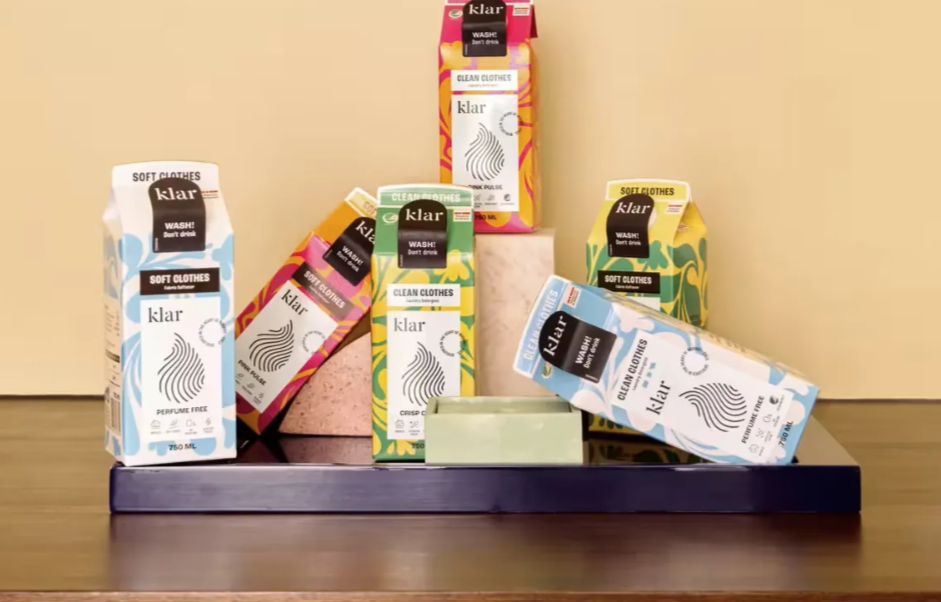 One recent example from the Innovation Zone is Elopak’s expansion of its D-Pak refill cartons across Nordic markets in collaboration with Orkla Home & Personal Care.
The initiative introduces refill cartons for liquid laundry products across Norway, Denmark, Finland and Sweden. Manufactured using recycled materials and bio-circular polymers, the cartons are designed as an alternative to rigid plastic bottles commonly used for household care products.
The project illustrates how refill packaging can be incorporated into existing retail environments while offering consumers an alternative packaging format for everyday household products.
Reuse is being tested in grocery stores
 Another Innovation Zone feature comes from Finland, where Kierrätys and Orthex, together with retail partners K Group and S Group, are piloting a deposit-based reusable takeaway container system in grocery stores.
Customers purchasing ready meals can choose reusable bio-based polypropylene containers by paying a refundable deposit. Once the container has been used, it can be returned through dedicated collection points before being washed and prepared for reuse.
The pilot has been designed to integrate reusable packaging into familiar grocery shopping routines, allowing the practical aspects of collection, washing and redistribution to be evaluated within a retail environment.
Circular thinking for foodservice
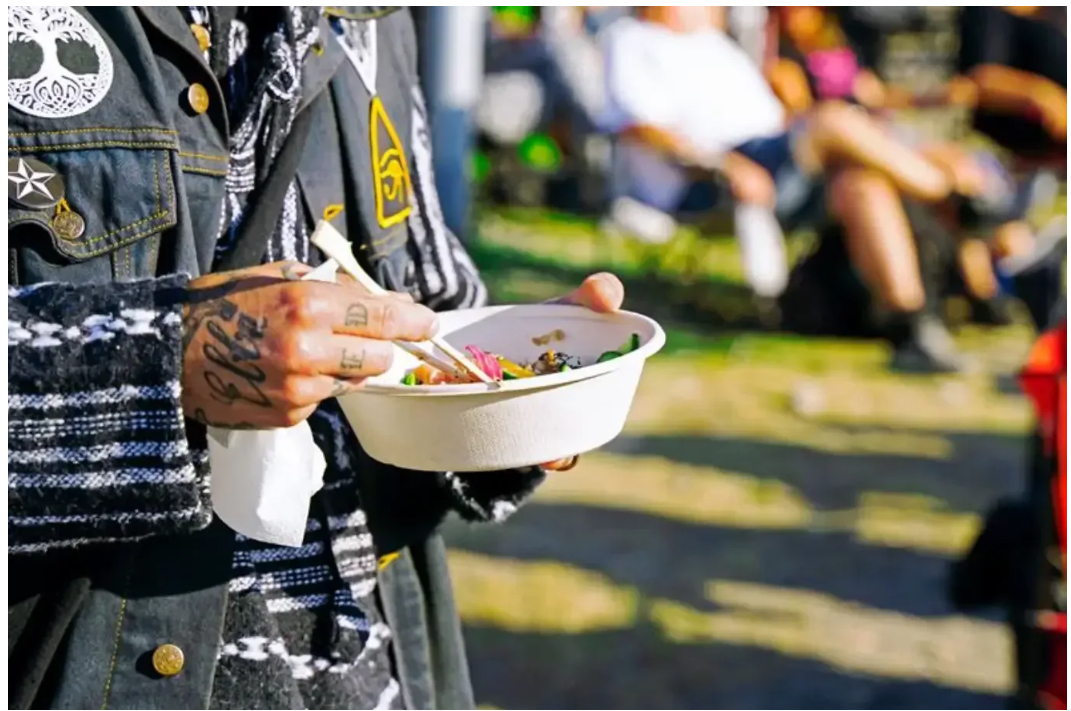 A different approach is being explored by Duni Group at Sweden Rock Festival, where reusable products, compostable packaging and on-site composting technology have been brought together within a single foodservice system.
The initiative combines multiple packaging and waste-management strategies, allowing reusable and compostable formats to operate alongside each other depending on the application. By considering packaging alongside waste collection and material recovery, the project demonstrates how circular systems can be implemented within a large public event.
Packaging is only part of the solution
Taken together, these three examples highlight something important: circular packaging is about more than the pack itself.
Across each project, questions such as the following are considered alongside packaging design:
- How will the product be refilled or reused?
- How will packaging be collected?
- How will it be cleaned or processed?
- How can it fit within existing retail or foodservice operations?
- How can consumers easily participate?
While each project takes a different approach, all demonstrate the importance of designing packaging alongside the systems that support it.
Collaboration underpins innovation
Another common thread running through these projects is collaboration.
Each initiative brings together multiple organisations, including brand owners, packaging manufacturers, retailers, technology providers and research partners. Developing refill and reuse systems often requires expertise that extends beyond packaging design alone, making collaboration an important part of testing and implementing new ideas.
What can the wider packaging industry learn?
For packaging professionals beyond the Nordic region, these initiatives provide useful insight into how refill and reuse can be applied across different markets.
The three examples show there is no single route to circular packaging. While these initiatives are at different stages of commercial development, together they demonstrate the variety of approaches currently being explored across the Nordic packaging landscape.
Celebrating Nordic packaging innovation
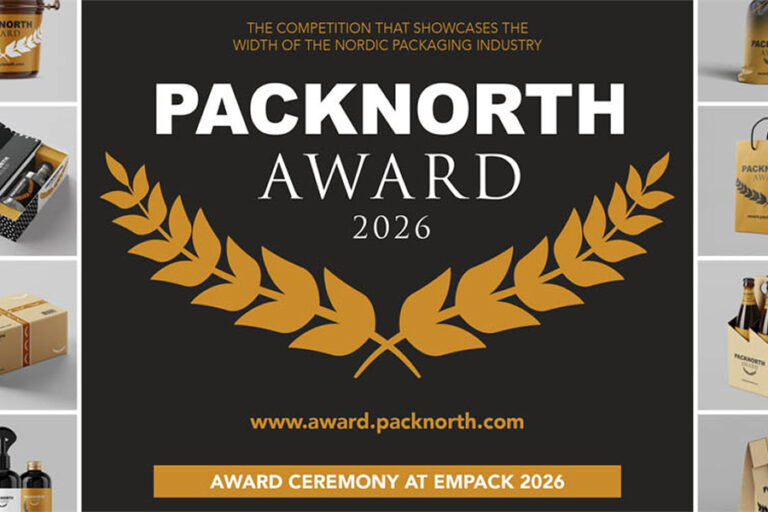 Initiatives such as the Packnorth Award, the Nordic packaging industry’s most influential platform for showcasing innovation, continue to highlight solutions that combine sustainability, functional design and commercial effectiveness. The competition provides an opportunity for brands, designers, material specialists and packaging engineers to showcase developments that are helping define the next generation of Nordic packaging.
This year, Paul Jenkins, Founder and CEO of ThePackHub, will again be part of the judging panel, bringing a global packaging innovation perspective to the evaluation process. Take a look at Paul’s recent conversation with Packnorth Award founder, Bo Wallteg.