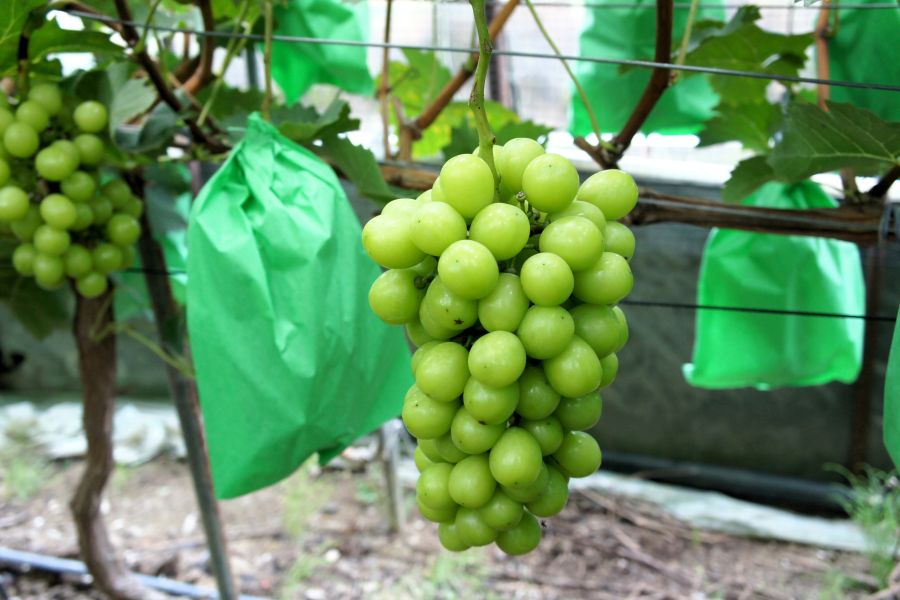
Researchers at South Dakota State University in Brookings, South Dakota, USA, have developed an innovative biodegradable packaging film made from grapevine pruning waste, an abundant and underutilised agricultural by-product. This development offers a sustainable alternative to traditional plastic packaging such as low-density polyethylene (LDPE),. and supports the growing movement toward more circular and sustainable material use in the agri-food sector.
Adding Value to Vineyard Waste
Vineyards generate large volumes of grapevine canes through routine pruning. These canes are typically discarded, with farmers paying approximately US$26 (£20.50) per tonne for disposal. However, grapevine canes contain around 35 per cent cellulose, a valuable natural polymer that can be repurposed into useful materials.
To produce the packaging film, the research team extracted cellulose using a 10% potassium hydroxide alkaline treatment, followed by 10% sodium chlorite bleaching. The cellulose was then dissolved in zinc chloride, crosslinked with calcium ions, and plasticised with glycerol to create a flexible, transparent film suitable for packaging applications.
Strong Performance with Sustainable Impact
The resulting films showed optical transparency between 83.70% and 84.30% per millimetre, making them visually appealing for food packaging. Mechanically, they achieved tensile strengths between 15.42 and 18.20 MPa, which compares well to the typical 7 to 25 MPa range for LDPE.
Importantly, the films were found to biodegrade completely within 17 days in soil with 24% moisture content. This rapid degradation highlights a significant environmental benefit over conventional plastics, which can take years to break down.
Key Advantages of the Innovation
Utilises Agricultural Waste: Repurposes vineyard pruning residues, reducing disposal costs and resource waste.
Fully Biodegradable: Breaks down in less than three weeks under common soil conditions.
Comparable Mechanical Properties: Offers similar or superior strength to conventional LDPE packaging.
Mild Production Process: Employs relatively gentle chemical treatments, making the method safer and more scalable than other biopolymer alternatives.
Looking Ahead: Industrial Potential and Research Goals
This packaging solution is particularly suited to food transport and short-term storage applications. To bring the material to market, the researchers note that additional work is needed to:
Refine the process for large-scale manufacturing.
Ensure chemical recyclability.
Address variability in cellulose levels across grapevine species and growing conditions.
This research offers a smart, nature-based solution to two problems at once – agricultural waste and plastic pollution. The use of grapevine canes in this way demonstrates how innovation in material science can drive meaningful change without compromising on functionality or quality.