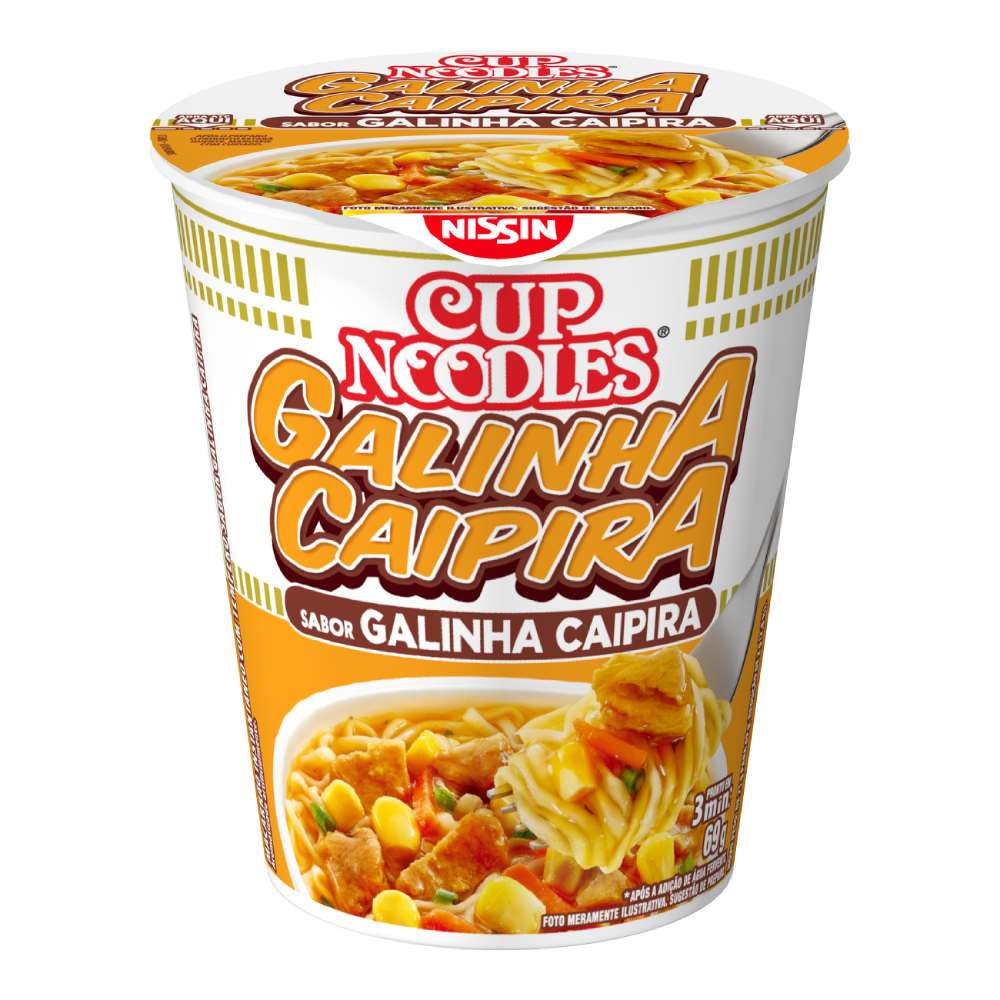
Nissin Foods do Brasil has developed a reverse logistics system for its Cup Noodles packaging, creating a route for post-consumer cups to be collected, processed and converted into materials for further use.
Featured in ThePackHub’s Innovation Zone, the initiative operates in Brazil and combines the recovery of used consumer packaging with a separate process for paper scrap generated during Cup Noodles cup manufacture. The approach addresses packaging waste at two different stages of the material lifecycle.
Collecting Cup Noodles after use
The post-consumer system relies on consumers placing used Cup Noodles packaging into recycling bins or participating in selective collection schemes. Recycling cooperatives then sort the collected material and direct it into appropriate processing streams.
Once processed, the recovered material is used to manufacture items including chipboard sheets. These sheets can serve as separators between palletised loads during transport, providing a secondary application for recovered fibres.
The material is also used for institutional products such as diaries and calendars. Rather than returning recovered material directly to Cup Noodles packaging, the system therefore establishes alternative applications for material collected after consumption.
The effectiveness of this type of reverse logistics model depends on several stages working together, including consumer participation, collection, sorting and access to suitable processing infrastructure. These practical considerations are particularly important when assessing how packaging materials move beyond their initial use and into secondary applications.
Recovering manufacturing paper scrap
Alongside the post-consumer collection system, Nissin Foods do Brasil operates a separate recovery process for paper scrap generated during the manufacture of Cup Noodles cups.
The company reports that 40% of these manufacturing scraps are now recovered, resulting in approximately 1,700 tonnes of additional material being recycled.
This tackles a different waste stream from the reverse logistics programme. Manufacturing scrap can be captured before packaging reaches consumers, while post-consumer material has to pass through collection and sorting systems after use.
Bringing the two approaches together broadens the scope of the company’s material recovery activity without treating the different waste streams as interchangeable.
Turning recovered material into secondary products
The use of recovered Cup Noodles packaging for chipboard sheets, diaries and calendars illustrates one route for keeping recovered fibres in use beyond their original packaging application.
For the packaging industry, the development also highlights the wider infrastructure required to support post-consumer material recovery. Designing a recycling route is only one part of the process. Consumer disposal behaviour, selective collection, cooperative sorting and subsequent processing all influence whether packaging is ultimately recovered and given another use.
In this case, Nissin Foods do Brasil’s system connects those stages through a reverse logistics model while also recovering material generated during cup production.
Want to discover more packaging innovations?
Explore the latest developments and over 12,000 packaging innovations in the Innovation Zone.